Raise your eyebrows in a mirror and watch what actually moves. If your forehead stops halfway, feels heavy, or barely creases at all, you’ve probably encountered a dose or placement that blunted more than you wanted. That sensation birthed the meme of the “frozen face.” But does Botox truly freeze your face, or is that a mismatch between technique, dose, and goals? After years of planning treatment maps, calibrating units, and following patients across multiple cycles, I can tell you a stiff result is preventable most of the time. It starts with understanding how botulinum toxin interacts with specific muscles and how small choices Visit website during a botox procedure ripple into real-world expression.
What “frozen” looks like, and why it happens
Patients use “frozen” to describe a cluster of feelings and observations. The forehead stops folding, the brows sit low or feel heavy, crow’s feet barely crinkle, and smiles look less animated. Most people do not mind smoother skin, they mind losing parts of their expression. That outcome is not inherent to the molecule. It is usually about dose, spread, injection pattern, and the muscle balance you had before treatment.
Cosmetic botox, or more precisely neuromodulator injections, block the release of acetylcholine at the neuromuscular junction. The muscle still exists and is healthy, but its signal is turned down. Think dimmer switch, not on/off switch. A high dimmer setting across broad areas, especially in muscles that lift, gives that blank look. The frontalis lifts the brows; the corrugators and procerus pull them down and in. If you quiet the lifter too much and leave the depressors active, the brows drop. That is the classic heavy forehead story. The fix is simple in principle: reduce the frontalis dose or distribute it higher on the forehead, and add a precise amount to the frown muscles to rebalance forces.
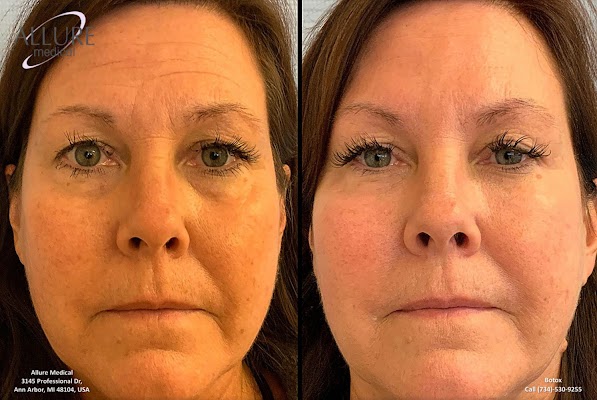
Facial anatomy varies. Some people have a strong frontalis that reaches low toward the brows. Others have short foreheads where frontalis fibers sit closer to the hairline. A one‑size map risks over‑treating the wrong zones. The same applies to crow’s feet. If you saturate the outer orbicularis oculi, you can smooth lines but also muffle the smile crinkle that signals warmth. A lighter touch, or baby botox, often preserves charm while softening the etched rays.
How Botox actually works, in plain terms
Botulinum toxin type A, the active in most botox cosmetic injections, temporarily binds to nerve endings that tell muscles to contract. Over days, those nerve endings become less active. Over weeks to months, they sprout new terminals and function returns. This reversible effect is why botox for wrinkles typically lasts 3 to 4 months, sometimes up to 5 or 6 in low‑movement areas or in first timers who metabolize slowly. Smaller doses wear off sooner. Large muscles, like the masseter, often need more units and wear off on a different timetable.
That mechanism explains both the benefit and the myth. Yes, if you block a muscle strongly, it will not move much. No, it does not paralyze your face permanently. When used as wrinkle relaxing injections, the goal is to reduce the repetitive folding that creates creases while keeping the muscle still capable of expression. The “frozen” reputation came from an era of heavy dosing, wide diffusion, and an emphasis on a glassy forehead that photography made popular. Today, technique has evolved. Micro botox and baby botox deliver smaller droplets to specific zones, shaping outcomes with more nuance.
What “natural” looks like in practice
Natural does not mean no change. It means the change fits your face when you talk, smile, and think. A natural brow still lifts a little during surprise. Crow’s feet soften, but you can still crinkle when laughing. The chin texture smooths without a waxy look. That result is the product of planning.
During a botox aesthetic treatment, I map muscles while you animate. I ask for strong frowns, relaxed faces, and forced smiles. I check for asymmetries: one brow higher, one eyelid heavier, one mouth corner that drops. If your frontalis pulls more on the right, I avoid over‑treating that side or I add a sliver extra to the left. If your brows are already low, I treat the frown complex first and delay the forehead, or use a few high injections that avoid the brow depressor contribution. The plan may look similar on paper to another patient’s, yet a 2‑unit shift here or a half‑centimeter higher placement there keeps the result lively.
Patient goals matter. Some prefer a very smooth look for events or on-camera work and accept less movement. Others want minimal change to expression and prioritize prevention. Preventative botox and micro dosing can soften early fine lines across the forehead, frown lines, or crow’s feet without heavy muscle suppression. That strategy often relies on lower units, spaced in micro‑columns, and an agreement to accept a few faint lines under bright light in exchange for natural dynamics.
Dose, dilution, and diffusion: small decisions, big differences
People often ask, why did the last provider’s result feel heavy while the prior one looked perfect? Three levers answer that. First, units. If you went from 12 to 20 units in your forehead, expect a different feel. Second, dilution and droplet size. The toxin comes in vials and is reconstituted with saline. Different providers use different volumes per vial, which changes the spread pattern of each injection point. Wider spread can smooth more area but risks catching adjacent fibers that you might want to preserve. Third, depth and angle. A half millimeter deeper can affect a different layer of the muscle. For example, in the procerus or corrugators, deeper placement reduces the chance of superficial spillage that can soften lift in the medial brow.
Counting needle pokes does not tell you much. Ten micro‑spots at low dose can be gentler than five higher‑dose deposits. Some advanced approaches for a botox brow lift use tiny, symmetric placements in the lateral frontalis to allow the tail of the brow a subtle rise while controlling forehead lines. If that sounds like choreography, it is. Your face moves in patterns. Doses must respect those patterns.
Areas most at risk of looking “overdone”
Forehead lines are the usual suspects because the frontalis is the only true elevator of the brow. But the mouth region is the next frontier for frozen‑looking smiles if you are not careful. Treating bunny lines on the nose, a gummy smile, or a botox lip flip requires restraint. A lip flip uses a small amount in the orbicularis oris to let the upper lip roll slightly outward. Too much, and consonants feel mushy, straws are awkward, and the smile shape changes. For bunny lines, a misplaced droplet near the levator labii can flatten nasolabial animation and alter balance with deep smile muscles.
Around the eyes, botox for crow’s feet can look too perfect in photos and oddly still in motion. The fix is to spare the lowest outer fibers and keep the line of zygomaticus function free. That way your eye smile stays sincere. Under the eyes, tiny doses can help crepey skin in select cases, but the risk of smile weakness or a tired look rises. Many providers favor skin‑direct treatments like lasers or biostimulators there instead of toxin.
The lower face and neck carry their own trade‑offs. Botox for chin dimpling, when done carefully, smooths the mentalis orange‑peel texture without altering speech. Botox for neck bands softens platysmal cords and can subtly sharpen the jawline, yet too much weakens neck support during certain movements. A conservative start is wise. For masseter botox, which can slim a square jaw or calm jaw clenching, higher doses are typical because the muscle is thick. You can expect reduced bite force on hard foods early on, and that is normal. The “frozen face” label does not apply here, but shape change does. Over time, the lower third can look narrower as the masseter atrophies, which some love and others find too much if they started with a delicate chin. Photos and a staged plan help.
The role of diagnosis: wrinkles versus volume versus skin
Not all lines are created equal. Static wrinkles etched at rest, such as deep forehead creases or eleven lines between the brows, respond to neuromodulator injections over repeated sessions because the muscle stops carving them deeper. But if the skin’s collagen is thin or the line is etched like a scar, toxin alone will not erase it. That is where botox vs fillers becomes relevant. Fillers restore volume and lift shadows. Botox handles movement. If the line is above your eyebrow’s midpoint and sits there even with full relaxation, the better fix might be a combination of toxin with fractional laser or microneedling to rebuild collagen.
Sagging is often a ligament and fat pad story, not a movement story. Can botox lift sagging skin? Not in a meaningful, structural way. It can release downward‑pulling muscles that accentuate sag, which helps contour, but it will not replace elasticity or volume. Asking toxin to do a filler’s job is a path to disappointment.
Who is more likely to feel over‑treated
Fine‑featured faces, naturally low brows, and people whose careers rely on micro‑expressions, such as actors or therapists, tend to prefer lighter doses. People with tight scalps or a flat forehead shape may perceive heaviness more quickly if the frontalis is quieted. Those with thick sebaceous skin often require more units for smoothing but tolerate movement reduction better.
First timers sometimes feel “frozen” for a different reason: unfamiliarity. If you have never had your frown muscles quieted, the lack of that habitual scowl can feel strange for two weeks. This is where clear explanations help. Expect the onset to begin at day 3, peak at day 14. If something feels off at two weeks, that is the right time for a touch‑up or micro‑adjustment. Before that point, the effect is still evolving.
What age to start, and can Botox prevent wrinkles
Wrinkles form from a blend of biology, sun, and motion. Some people trend toward etched frown lines by their mid‑20s; others stay smooth into their late 30s. What age should you start botox? The right answer is when lines start to linger at rest and bother you, not when they appear only with strong expression. Preventative botox can be effective in the late 20s to early 30s for those with strong muscle activity or a family pattern of deep lines. The key is low dose, spaced appointments, and a plan to keep movement alive. Think of it as easing wear and tear, not immobilizing the mechanism.
Is Botox safe long term
Decades of medical botox treatment for conditions like cervical dystonia, spasticity, and migraines give us a large safety record. Cosmetic dosing is typically far lower than medical dosing. The most common side effects are local and temporary: small bruises, a headache in the first 24 to 48 hours, or a droplet of product affecting a neighboring muscle, which can cause lid heaviness or a peaked brow. These placement‑related effects resolve as the product wears off.
Long‑term, repeated use does not thin skin or poison the body. Rarely, some patients develop neutralizing antibodies, which can make botox less effective or shorten duration. Using conservative total units, spacing sessions at least every three months, and avoiding unnecessary “top‑off” injections too soon can reduce that risk. If response fades, alternatives like dysport or xeomin sometimes help, though true antibody‑mediated resistance is uncommon in cosmetic scenarios.
How to keep results natural
A good outcome starts with your baseline photos, animation tests, and a frank talk about risk tolerance. From there, the map is customized. If your priority is to avoid the frozen look, say so. Ask for light dosing up front with the understanding that you might need a small add‑on at the two‑week check. Build trust by choosing a provider who welcomes that conservative approach.
Here is a short checklist to guide a natural‑leaning plan:
- Ask for baby botox or micro botox in high‑movement areas like the forehead and crow’s feet to preserve expression. Prioritize balancing muscles: treat frown lines if you are treating the forehead to protect brow position. Start modest, reassess at day 14, and only add where needed. Match the tool to the problem: consider fillers or skin therapies for etched lines or volume loss instead of more toxin. Keep at least three months between sessions to reduce over‑accumulation and possible resistance.
What to expect after botox
Right after botox injections, you can have small bumps like mosquito bites that settle in 15 to 30 minutes. Makeup is usually fine after a few hours. Avoid heavy workouts, face‑down massages, or tight headgear that compresses injection sites for the rest of the day. These are practical steps, not rigid rules, meant to reduce migration while the product settles.
Over the next 2 to 3 days, movement starts to soften. By one week, you will see most of the change. The two‑week mark is the true read. Plan your follow‑up then, not earlier. Soreness is light and short. Bruising occurs in a minority of cases and fades over several days. If you feel one eyebrow higher or a line that still folds more than its neighbor, micro‑adjustments can fix it.
How long does botox last? Expect 3 to 4 months in the upper face for many people. Crow’s feet can be closer to three. The frown complex often stretches to four or five. The forehead varies the most because of dose sensitivity. Lower face and neck areas can range from two to three months. Masseter botox lasts longer, often five to six months for function and nine months for visible slimming once atrophy sets in.
Troubleshooting: why results sometimes feel off
When someone says the last session looked too stiff or wore off too fast, I ask five questions. Were you sick or inflamed around the time of treatment? Infections can reduce efficacy. Did you switch brands between botox vs xeomin vs dysport? Diffusion and onset differ slightly. Was the interval shorter than 12 weeks? Stacking small doses can feel inconsistent. Did the provider change dilution or injection depth? That often explains spread. Did you change skincare or undergo procedures like radiofrequency or microneedling soon after? Some energy devices may increase blood flow and theoretically affect distribution if done the same day.
A rare but real scenario is “why does botox stop working.” True resistance is uncommon in cosmetic use. More often, it is under‑dosing, altered technique, or expectations shaped by a strong first response that a lighter second session failed to match. If I suspect under‑dosing, we agree on a plan to titrate back up gradually. If I suspect drift to adjacent muscles caused a flat look, I redraw the map to protect specific fibers.
Beyond wrinkles: medical and functional uses without a frozen feel
Botox is not only for cosmetic smoothing. Medical botox treatment for migraines, jaw clenching, and hyperhidrosis can improve quality of life without changing facial personality. For migraines, protocols target scalp, temple, and neck trigger zones. The face remains expressive because forehead and brow sites are deliberately moderated or skipped based on a patient’s goals. For masseter pain or botox for teeth grinding and TMJ symptoms, the benefit is reduced clenching intensity, not a loss of emotion. If anything, people look more relaxed and less tense.
Botox for excessive sweating is another example. Injections under the arms, on the scalp, or hands reduce sweat by blocking sympathetic nerve signals to the glands. No facial movement is involved, so there is no risk of a frozen expression. These are higher‑unit sessions but localized to the problem area.
Can botox change face shape
Yes, in targeted ways. Masseter botox can slim a wide lower face. A botox lip flip can make the upper lip look slightly fuller without filler. A subtle botox brow lift can tilt the brow tail up. These are controlled changes, not cartoonish ones, when dosed and placed with restraint. If face shape is your priority, expect a staged approach and clear before‑and‑after photos to track progress. If balance is your priority, ask for facial balancing that considers how each area affects the others. A small tweak in the chin or depressor anguli oris can lift a mouth corner enough to change perceived mood while keeping everything moving.
Safety notes and edge cases
A few cautions from the clinic floor. If you have a history of eyelid ptosis, discuss it. We can adjust the frown pattern to reduce risk. If you rely on heavy upper eyelid lifting due to lid laxity, we might limit forehead dosing to avoid functional issues. If you sing, play wind instruments, or do on‑camera work, timing matters. Do not change perioral movement right before a performance. If acne is active, botox does not treat oil glands directly, though it can reduce sweat and sometimes reduce mechanical acne along the hairline by relaxing tension patterns. For acne scarring or pores, micro botox into the dermis is sometimes used, but it requires careful selection and technique to avoid surface weakness.
People ask if botox under eyes is a fix for hollowing or dark circles. It is not. In some cases, it can worsen the look by relaxing supportive fibers. Choose skin treatments or fillers placed carefully by an expert if hollows are your concern. Another question: can botox wear off faster? Yes, if you exercise intensely, have a fast metabolism, or receive low doses. Hydration, zinc status, and genetics play small roles, but training style and dose matter more. “How to make botox last longer” often comes down to not chasing tiny tweaks monthly. Give the neuromodulator a full cycle and schedule at 12 to 16 weeks when possible.
What a thoughtful first appointment looks like
A complete visit is not just a series of syringes. It is a conversation, a set of expressions, a map, and a few decisions we make together. I measure brow height, note forehead length, test frown strength, assess crow’s feet spread with a forced smile, and check chin activity when you talk. I ask what you notice in photos and what you dislike in the mirror. From there, we pick targets: botox for forehead lines but lighter near the brow; botox for frown lines to soften the eleven without making the medial brow inert; botox for crow’s feet with a small sparing along the zygomatic smile line. If jaw tension bothers you, we evaluate masseter width and tenderness, maybe add a mild dose for function before any slimming goals.
If you fear a frozen face, I write a conservative total unit count and invite you back at two weeks for fine‑tuning. That two‑step approach is the simplest way to guarantee you keep expression. Patients who follow this plan rarely complain of looking overdone. The small return visit is where natural lives.
The bottom line on “does Botox freeze your face”
Botox does not need to freeze your face. It can, if dosing is heavy or patterns ignore how your muscles work together. It can also soften lines, ease tension, and maintain personality when planned with care. The molecule is a tool. Natural results come from measured units, balanced targets, and a willingness to adjust across sessions. If you want smooth skin that still tells a story when you smile, say it clearly, start light, and choose a provider who treats movement like a language worth preserving.
When you raise your brows in the mirror after a thoughtful session, they should still lift, just with less accordioning in the skin. That is not frozen. That is control. And for most people seeking botox for fine lines or preventative botox, control is exactly the point.